

We’ll Just Hire Experts When Needed—But Expertise Isn’t an On/Off Switch
You’ve probably heard this before—maybe even said it yourself:
“We’ll just hire an expert when something breaks.”
It sounds reasonable. Why pay for ongoing IT support if you only need help occasionally, right?
Here’s the problem: IT expertise doesn’t work like a light switch. When you treat technology as something you deal with only during emergencies, you’re already behind—and paying more than you realize.
Let’s break down why this mindset is a hidden cost trap for businesses.
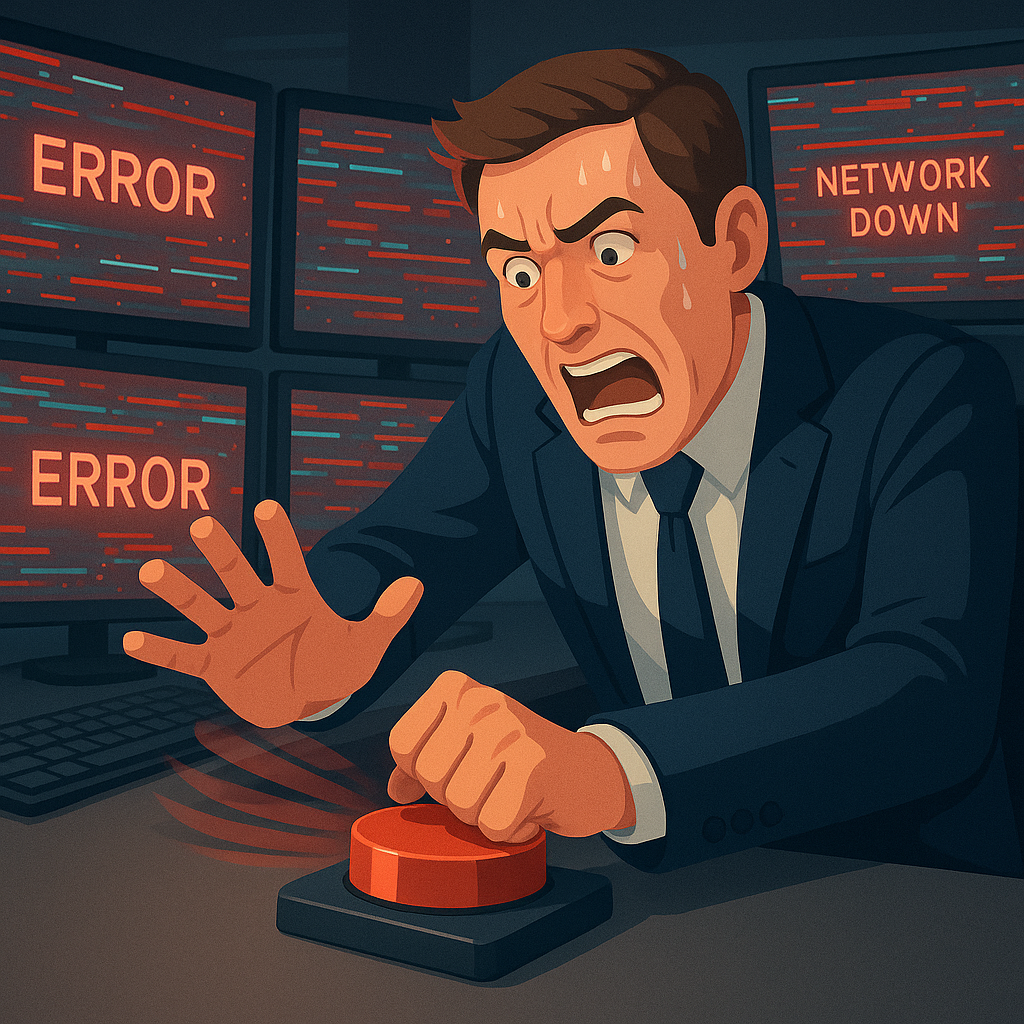
The Hidden Cost of Reactive IT Support
Calling an expert after something breaks isn’t just about the repair bill. You’re also paying for:
- Downtime: Every hour your systems are down can snowball into missed deadlines and frustrated clients.
- Lost productivity: Your team can’t move forward while waiting for fixes.
- Uncertainty: You don’t know how serious the problem is—or what it will cost.
And the expert you call? They’re starting cold. They don’t know your systems, your configurations, or your history. It’s like calling a plumber for a burst pipe in a house they’ve never seen—they’ll fix it, but not without wasting time figuring out where the shut-off valve is.

The Trust Curve: Why Familiarity Matters
Every outside expert starts at zero on the trust curve. They don’t know your setup, your people, or your risk tolerance.
A Managed Service Provider (MSP) takes the opposite approach:
- Builds trust over time
- Learns what “normal” looks like in your environment
- Spots issues before they become outages
You can’t buy that kind of familiarity in a single emergency call—it’s earned through consistent involvement.
Reactive Experts vs. Embedded Experts
Reactive experts fix problems.
Embedded experts prevent them.
A reactive expert drops in, tackles the surface issue, and moves on. No pattern recognition, no long-term strategy.
An MSP, on the other hand:
- Monitors systems 24/7
- Maintains updates and backups
- Plans upgrades before they’re urgent
- Aligns technology with your business goals
Instead of waiting for things to break, MSPs make sure they don’t.

You Can’t Outsource Familiarity
Familiarity isn’t a technical skill—it’s earned by spending time inside your business.
You could hire the best IT consultant in the country, but if they don’t know your network layout or your team’s workflow, they’re flying blind.
MSPs become part of your business. They know your quirks, your tools, and even who to call when something seems off. That level of understanding leads to faster fixes and smarter decisions.
The Smarter Approach
Hiring experts only “when needed” might look efficient on paper, but it’s a false economy.
A smarter approach? Proactive IT management. With an MSP partnership, you get:
- Predictability
- Consistency
- Peace of mind
Your systems stay healthy, your team stays productive, and your business avoids costly surprises.
The Takeaway
Expertise isn’t something you can just “turn on” when convenient. It’s a relationship that builds over time—and the payoff grows the longer you invest in it.
If your business still runs on the “call for help when it breaks” model, it’s time to rethink. Partnering with a managed service provider gives you steady, proactive support that keeps everything running smoothly.
Ready to stop firefighting and start planning?