

In a galaxy not so far away—your office—business leaders face a critical decision: embrace the Cloud or cling to the Local Server. It’s the ultimate tech duel, and much like choosing between the Jedi and the Sith, your choice will shape the destiny of your IT infrastructure.
Whether you’re a scrappy startup or a seasoned enterprise, the question remains: Do you trust Cloud City or stay grounded on Tatooine with your own servers? Let’s explore this intergalactic showdown.
The Galactic Choice: Cloud vs. Local Servers
Before we ignite our lightsabers, let’s define the contenders:

- Cloud Computing (Cloud City): Imagine Bespin—floating, flexible, and managed by Lando (your provider). The Cloud offers scalability, remote access, and fewer maintenance headaches. You pay for what you use, and upgrades happen faster than the Millennium Falcon making the Kessel Run.
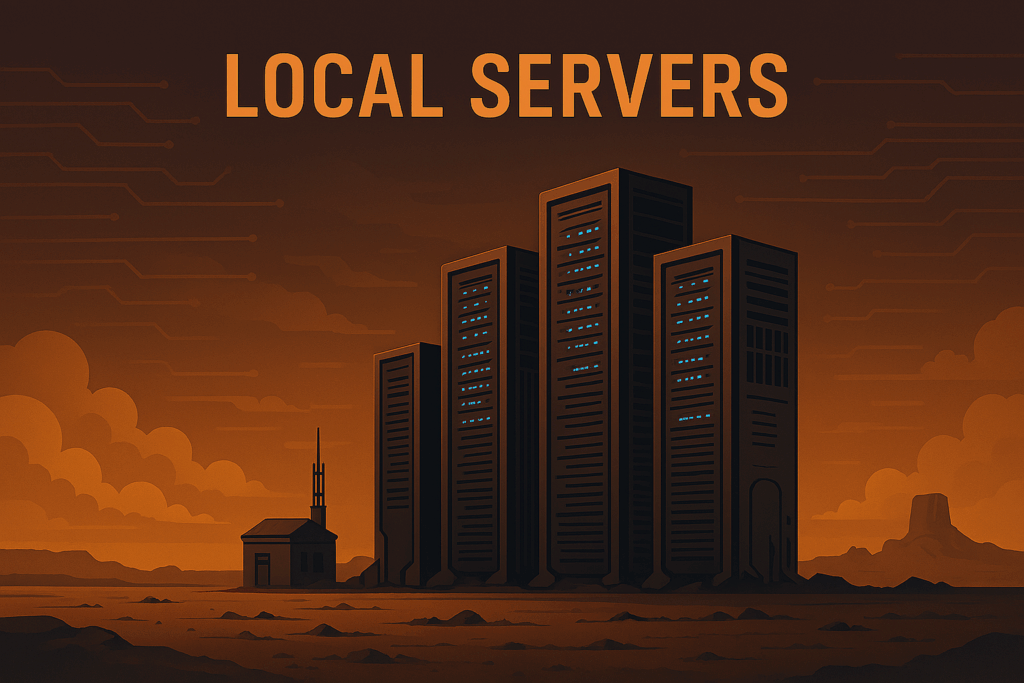
- Local Servers (Tatooine): Rugged, reliable, and under your control—but you’ll need to maintain your own moisture farm (hardware, updates, security). It’s familiar, but when something breaks, you’re the one calling in the droids.
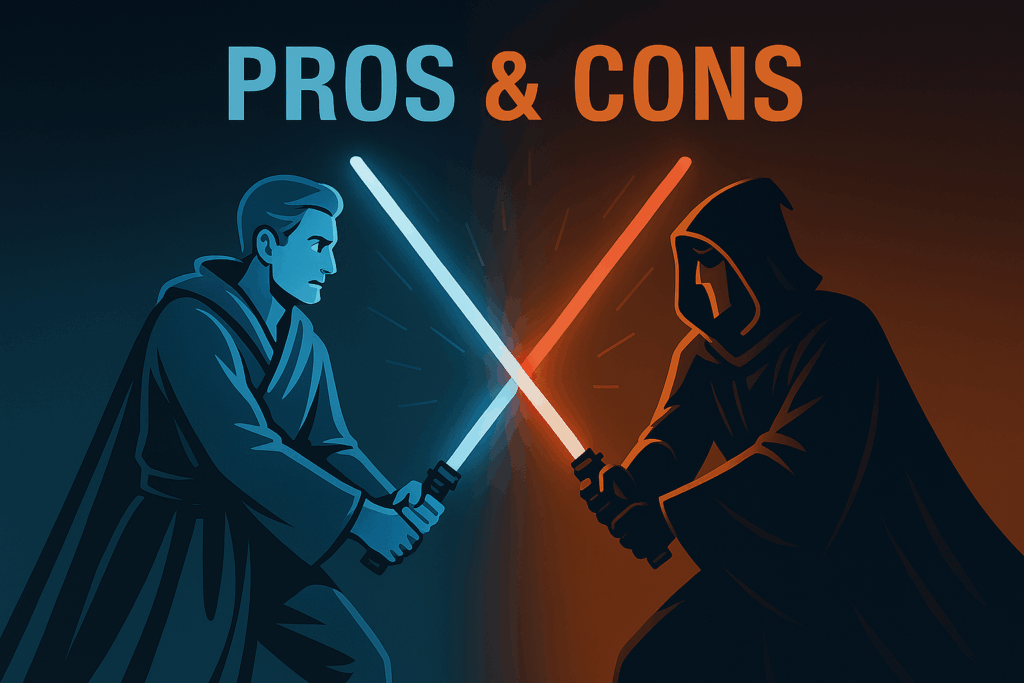
Pros & Cons: Jedi vs. Sith
Every technology has its light and dark sides. Here’s how they stack up:
Cloud (The Jedi Path)
- Agility: Scale up or down like a Jedi adjusting to the Force. Perfect for businesses that need flexibility.
- Cost Efficiency: No upfront hardware costs—just predictable monthly fees.
- Accessibility: Work from anywhere in the galaxy. Remote teams rejoice!
- Automatic Updates: Your provider handles upgrades, so you’re always battle-ready.
But beware:
- Dependency on Providers: If your Cloud provider turns into Darth Vader, you’re stuck in their empire.
- Internet Reliance: No connection? No access. Even Jedi need Wi-Fi.
Local Servers (The Sith Temptation)
- Full Control: You’re the Emperor of your own infrastructure.
- Security: Sensitive data stays in-house—no Imperial spies snooping.
- Customization: Tailor systems to your exact needs.
The Dark Side?
- High Costs: Hardware, maintenance, and IT staff can drain your credits.
- Limited Scalability: Expanding means buying more servers—slower than a Bantha on Tatooine.
- Downtime Risks: If something fails, you’re calling in reinforcements.
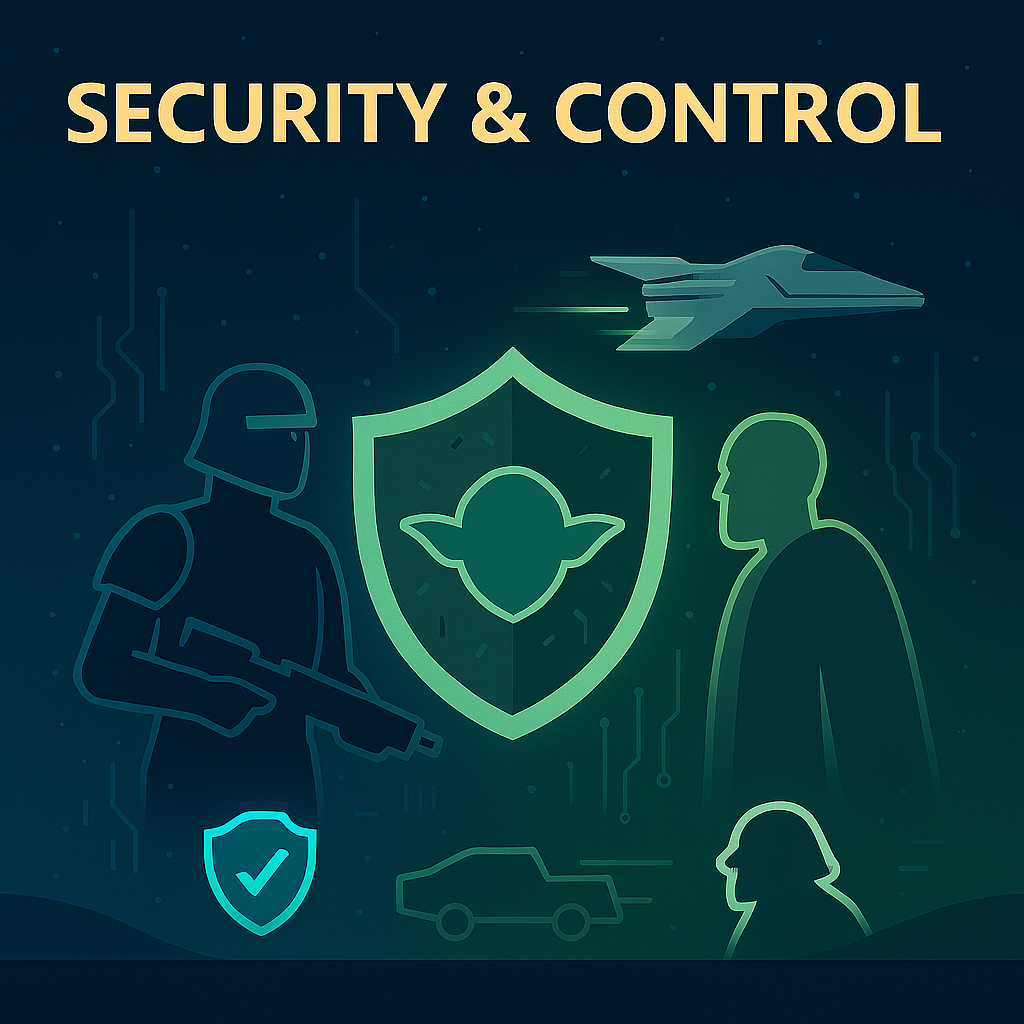
Security & Control: Who Guards Your Data—Stormtroopers or Jedi?
Security is the Death Star of this debate. Cloud providers invest heavily in encryption, firewalls, and compliance—think Jedi Temple-level protection. But you’re trusting an external force.
Local servers give you control, but that means you’re responsible for everything—patches, backups, and defending against cyber Sith Lords. If your IT team is strong, great. If not, you might be vulnerable.
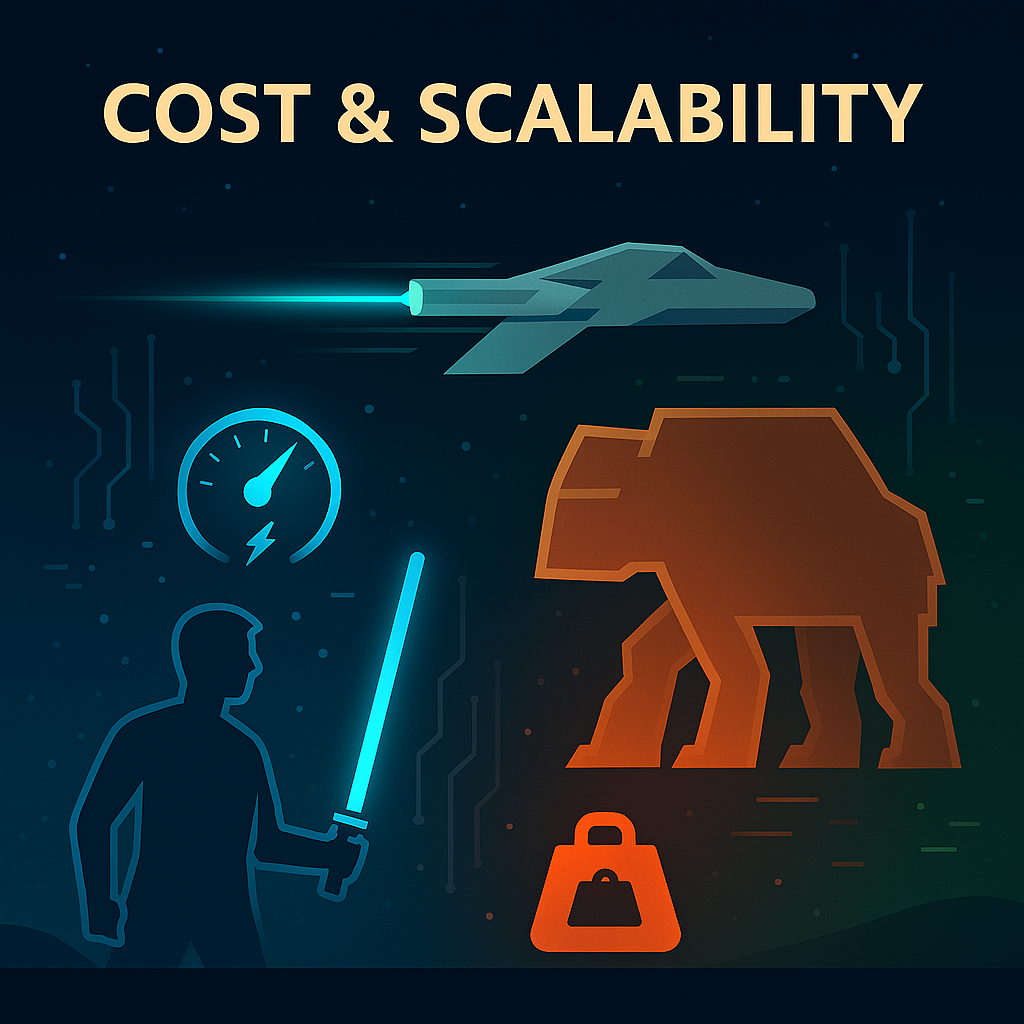
Cost & Scalability: Hyperdrive vs. Bantha Speed
Cloud computing is like jumping to hyperspace—fast, efficient, and cost-effective for growing businesses. You pay for what you use, and scaling is as easy as flipping a switch.
Local servers? More like riding a Bantha. Reliable, yes, but slow and expensive to scale. Hardware upgrades, space requirements, and energy costs add up faster than Jabba’s bar tab.
The Final Verdict: Which Side of the Force Should You Join?
If your business values flexibility, remote access, and predictable costs, the Cloud is your Jedi Master. It’s ideal for SMBs and companies embracing hybrid work.
If you need absolute control, have strict compliance requirements, or operate in areas with unreliable internet, local servers might be your Sith stronghold.
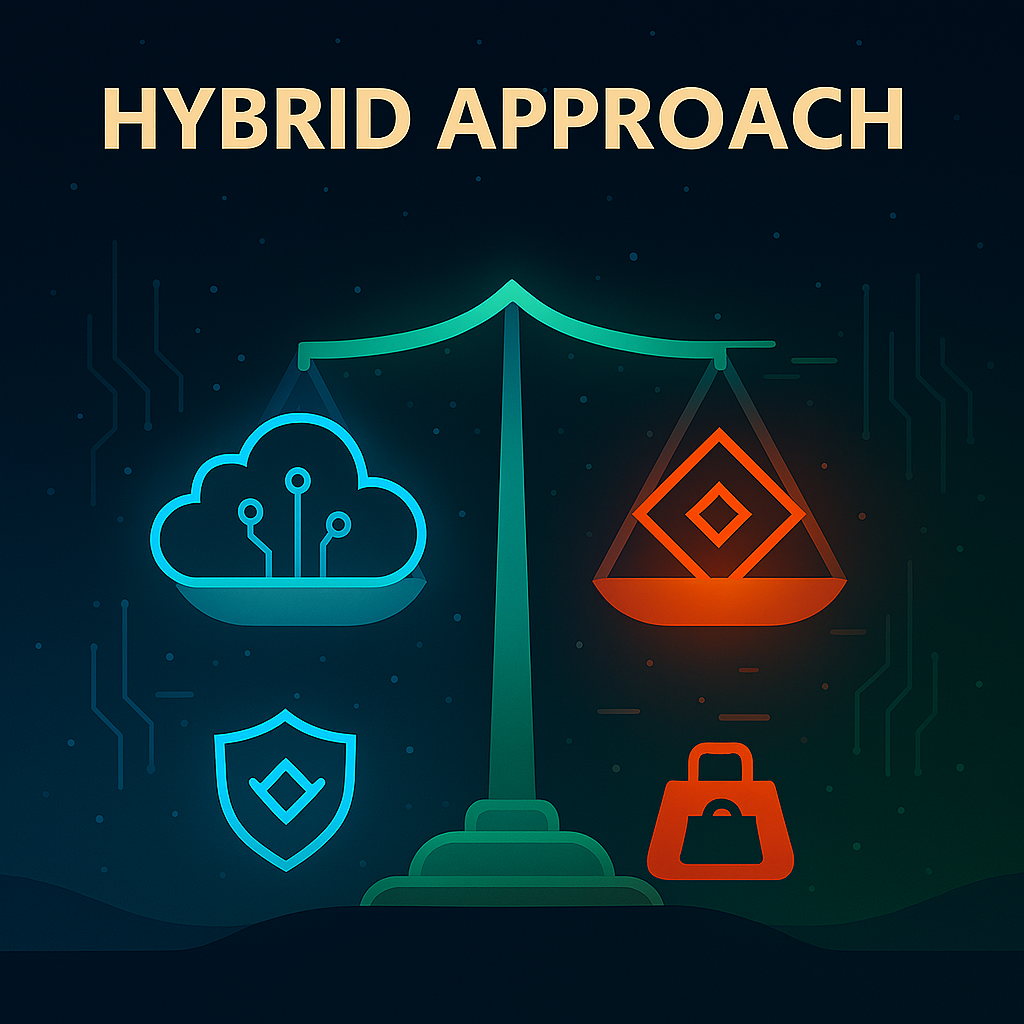
For many businesses, the best solution is a hybrid approach—balance the Force by combining Cloud agility with on-premises control.
Need Help Deciding? Contact Herstek & Associates!

Choosing between Cloud and Local Servers doesn’t have to feel like navigating an asteroid field. Our team at Herstek & Associates can help you chart the best course for your business.
📞 Contact us today and let’s bring balance to your IT galaxy!